
Solar Panels in Karachi: 2026 Guide to Beating Your Bill
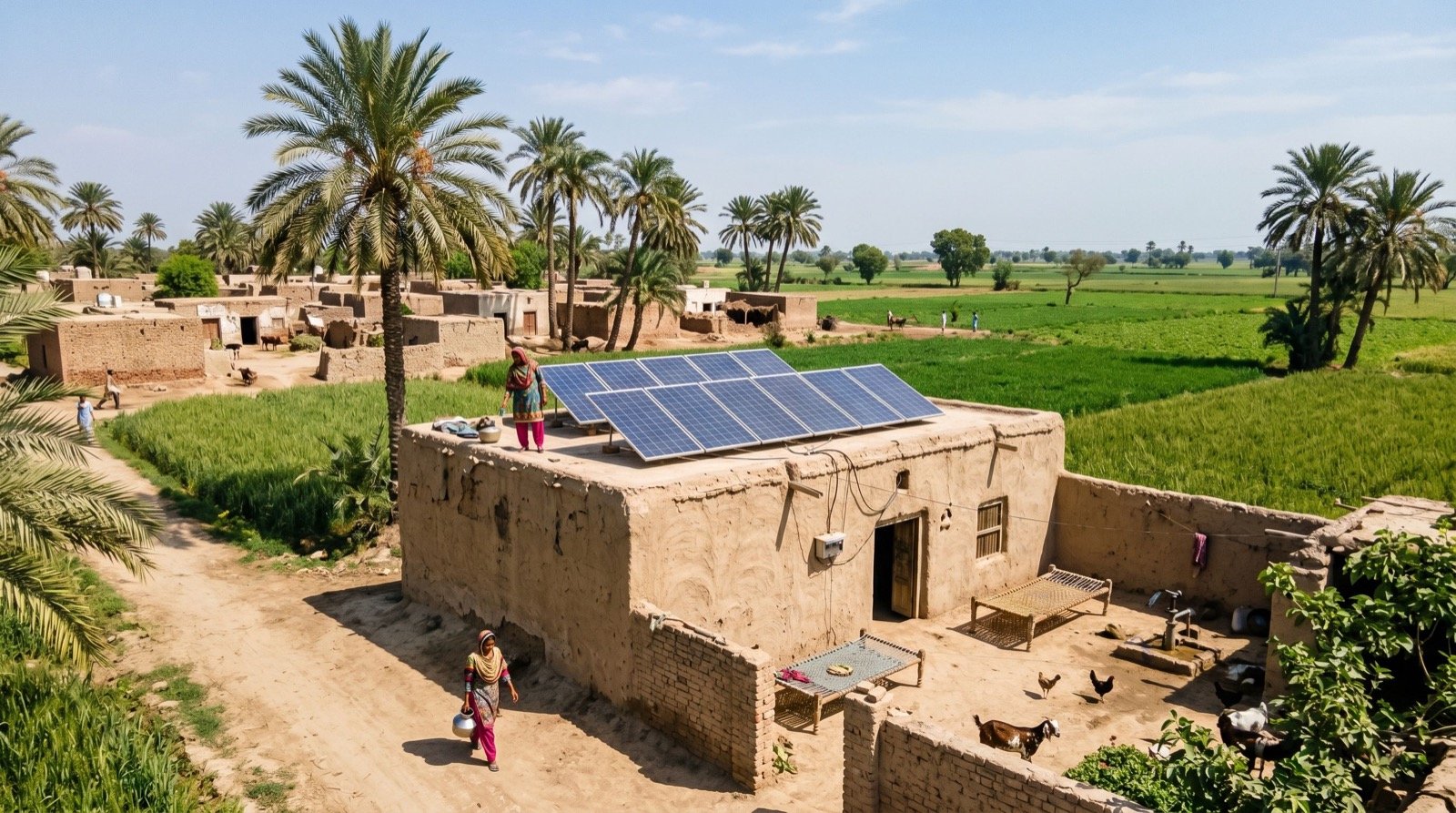
Switching to solar panels in Karachi stopped being an unusual decision a while ago and turned into something closer to a neighborhood trend, with one installed system often prompting three or four more on the same street within months. The driver is simple: summer cooling loads in Karachi are brutal, and grid electricity during peak hours is expensive enough that a correctly sized solar system often pays for itself faster than most homeowners expect.
This guide covers what actually moves the needle on your bill, how to size a system honestly for Karachi’s humidity and heat, and a few practical ways to document your installation journey so friends and family can see the real numbers instead of vague claims.
Why Karachi Households Are Switching Faster in 2026
Karachi’s combination of long sunshine hours and heavy air-conditioning demand makes solar unusually effective here compared to cities with milder summers. Peak grid tariffs during high-demand hours have continued climbing, which means every unit a rooftop system generates during the afternoon is offsetting electricity priced at the most expensive tier of the bill.
Humidity does reduce panel efficiency slightly compared to drier climates, but the sheer number of sunlight hours more than compensates for most residential setups. A well-sized system still reliably covers 60-80% of a typical household’s monthly consumption.
How Big a Solar System Do You Actually Need?
Oversizing wastes money upfront, while undersizing leaves you still paying steep peak-hour rates. The honest way to size a system is to pull your last 12 months of bills and look at the pattern, not just the most recent one.
| Average Monthly Bill | Suggested System Size | Expected Bill Offset |
|---|---|---|
| Rs 8,000-15,000 | 3-4 kW | 50-65% |
| Rs 15,000-30,000 | 5-7 kW | 65-80% |
| Rs 30,000+ | 8-12 kW | 75-90% |
Households running multiple air conditioning units during the day see the fastest payback, since that is exactly the load solar covers best without needing battery storage.
What Should You Look for in an Installer?
- A written estimate that accounts for Karachi-specific temperature derating, not a generic national average.
- Experience filing net-metering applications with K-Electric, since the process has its own documentation quirks.
- A clear answer on earthing and surge protection, given Karachi’s occasional voltage fluctuations.
- References from at least two completed jobs older than one year, so you can see how the system has held up.
Documenting the Switch: Turning Installation Day Into Proof
One thing that genuinely motivates neighbors and family to consider solar is seeing the real installation process and the actual bill difference, not just a sales brochure. Many homeowners now record short clips throughout install day, from panel mounting to the moment the inverter first lights up, then want one clean video rather than a dozen scattered files.
A simple video joiner online tool makes this painless: stitch the morning setup clip, the afternoon wiring footage, and the final switch-on moment into a single sequence without installing any editing software.
Before posting that footage anywhere, trimming it down matters more than most people expect. A five-minute raw clip rarely holds attention, but a tight 45-second highlight does. Running the footage through an online video trimmer tool lets you cut straight to the moments that matter, like the inverter display lighting up or the first full day’s generation total.
Is Battery Storage Worth Adding in Karachi?
Battery backup adds meaningful cost, so it is only worth it if load-shedding in your specific feeder area is frequent or if you want power security during outages rather than just lower bills. For pure bill reduction with reliable grid access, a grid-tied net-metering system without batteries is usually the more cost-effective choice in 2026.
- Check your area’s actual outage frequency over the last six months before budgeting for batteries.
- Compare battery cost against the marginal bill savings it would add versus a grid-tied-only system.
- Ask your installer whether the inverter is battery-ready, so you can add storage later without replacing it.
Keeping Panels Productive Through Karachi’s Dust and Salt Air
Coastal humidity and airborne dust both take a toll on panel performance in Karachi faster than installers sometimes mention upfront. Salt-laden air near the coast can accelerate wear on mounting hardware and junction boxes, while dust buildup inland reduces output steadily if panels go uncleaned for long stretches between the city’s occasional rain.
A simple quarterly cleaning schedule, plus a yearly check of mounting bolts and cable connections, keeps most residential systems performing close to their rated output for well over a decade. Skipping this maintenance is the most common reason homeowners complain that their system “isn’t saving as much as promised” a year or two after installation.
Finding Reputable Service Experts
The difference between a system that quietly runs for fifteen years and one that needs repeated service calls almost always traces back to installation quality, which is why it pays to work with reputable service experts rather than whoever quotes the lowest number. Ask pointed questions about cable routing, mounting hardware rated for coastal humidity, and how they handle warranty claims when something does go wrong.
A growing number of households also pair their install with smart plug monitoring on major appliances, which helps pinpoint exactly how much the air conditioning, water heater, and kitchen circuits each draw during the day. That data makes it much easier to decide where small behavior changes, like running the washing machine at midday instead of evening, could stretch solar coverage even further without spending anything extra.
K-Electric publishes its own net-metering guidance for customers connecting rooftop systems to the grid, and reviewing it before signing any contract helps you understand exactly what documentation your installer should be handling on your behalf.
Frequently Asked Questions
How much can solar panels really save in Karachi?
Most well-sized residential systems offset 60-90% of the monthly bill depending on consumption patterns, with the biggest savings for households running heavy daytime air conditioning.
Do solar panels work well in Karachi’s humid climate?
Yes. Humidity causes a small efficiency dip compared to dry climates, but Karachi’s long sunshine hours more than offset that, making solar reliably productive year-round.
How long does net metering approval take?
Approval timelines vary, but most households should budget four to eight weeks after installation for the net-metering connection to be fully activated.
Should I wait for prices to drop further before installing?
Panel prices have stabilized rather than continuing to fall sharply, while electricity tariffs keep rising, so waiting typically costs more in missed bill savings than it saves on equipment.
Final Thoughts
Solar panels in Karachi have moved from a niche upgrade to a mainstream, financially sound decision for 2026, provided the system is sized honestly and installed by a team with real local experience. Document the process, compare your actual bill numbers before and after, and that proof will do more to convince skeptical neighbors than any brochure ever could.