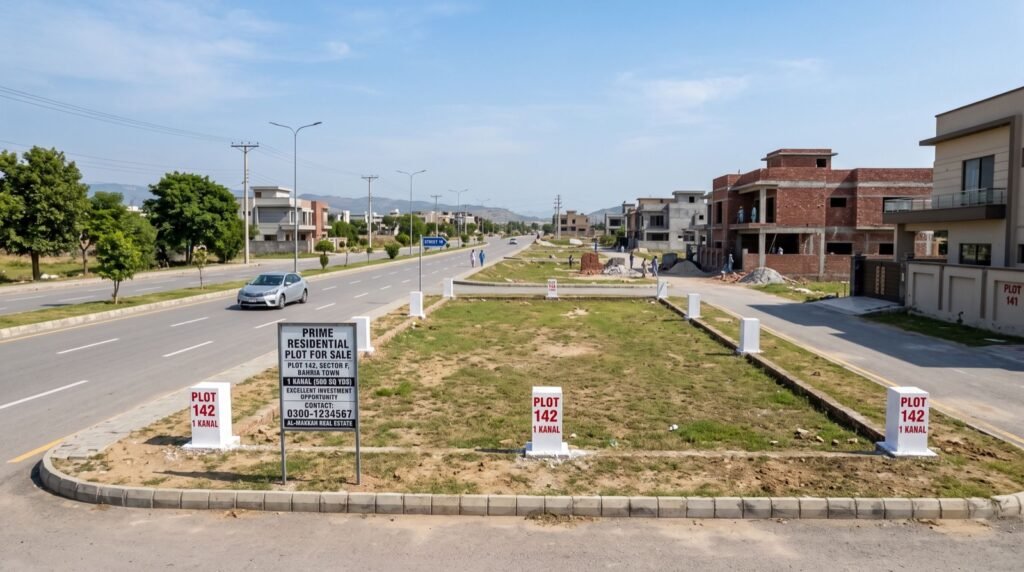
Affordable Residential Plots in Rawalpindi for Families in 2026
Finding genuinely affordable residential plots in Rawalpindi has become harder every year as construction costs and land prices climb together. Yet families who plan their purchase carefully — comparing plot sizes, master plans, and realistic monthly budgets — can still find options that make sense without overextending their finances in 2026.
This guide is written for first-time buyers and growing families, not seasoned investors. It focuses on what actually matters when you’re buying a plot to build a home, not to flip it for profit.
Why 5 Marla Plots Are the Starting Point for Most Families
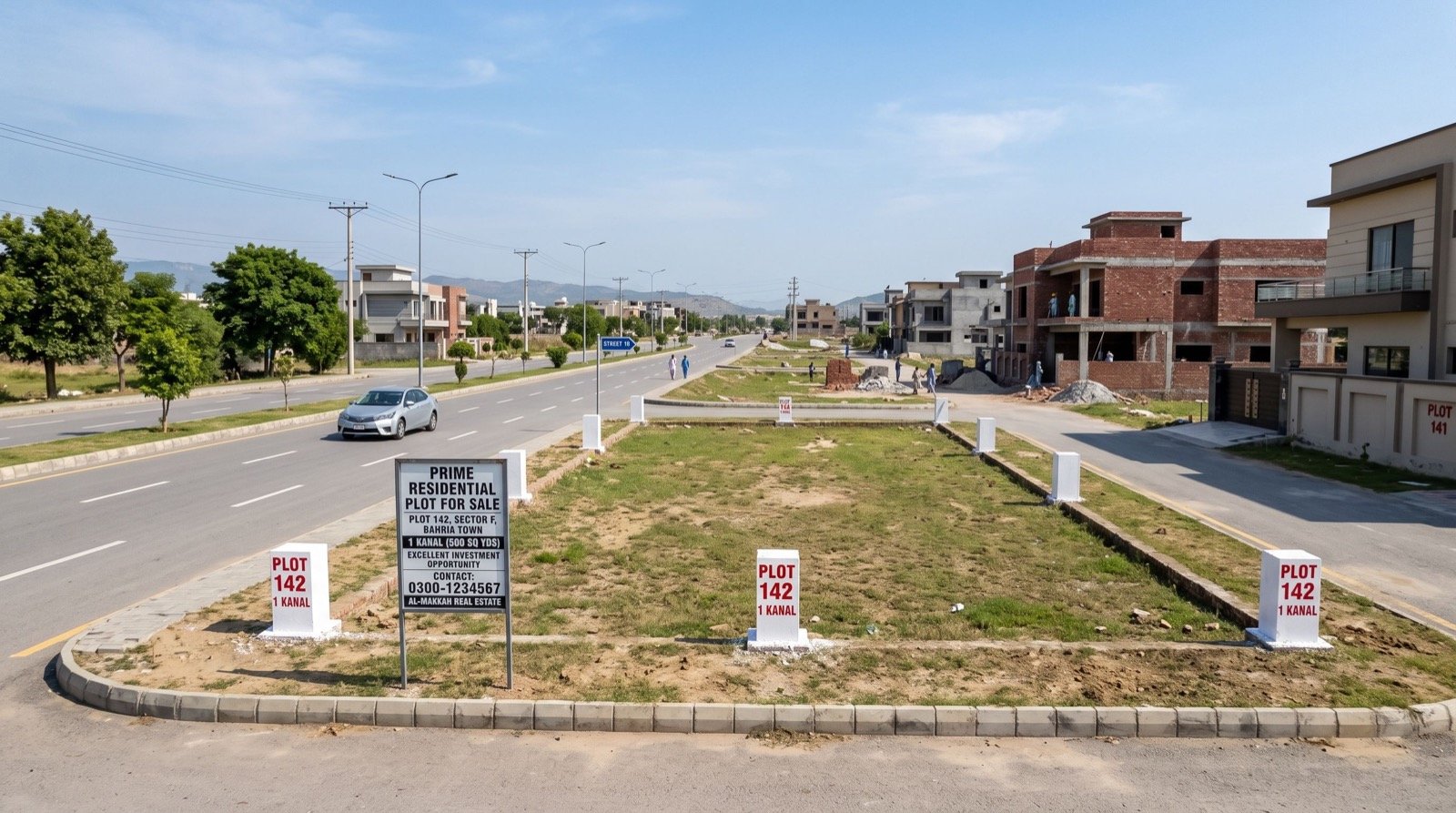
Across Rawalpindi’s planned societies, the 5 Marla category has become the default entry point for middle-income families. It’s large enough for a comfortable two- or three-bedroom home with a small yard, yet small enough to keep both the purchase price and future construction costs within reach.
Societies that offer a range of 5 Marla Residential Plots across different blocks give families flexibility to choose based on proximity to schools, main roads, or quieter interior streets — without needing to stretch into a larger, costlier plot size.
What a Family Should Prioritize Over Size
Plot size matters less than most first-time buyers assume. Reliable water supply, a functioning sewerage system, and proximity to a school or clinic make a far bigger difference to daily life than an extra Marla of land that sits unused for years while construction funds are saved.
Reading a Master Plan Before You Buy
A society’s master plan is the single most useful document a buyer can study before committing. It shows exactly where parks, commercial zones, main boulevards, and utility lines will sit relative to any specific plot — information that sales staff sometimes gloss over in favor of highlighting only the positives.
Reviewing the Silver city master plan before shortlisting a plot lets a family see, for example, whether a plot sits near a planned main boulevard (generally good for future value) or backs directly onto a commercial block (which some families prefer to avoid for privacy reasons).
Residential Plot Sizes Compared
| Plot Size | Typical Buyer | Approx. Build Cost Impact |
|---|---|---|
| 3.5 Marla | Small families, first-time buyers | Lowest |
| 5 Marla | Mid-size families | Moderate |
| 8–10 Marla | Larger or multi-generational families | High |
| 1 Kanal | High-income households | Highest |
How Much Should a Family Budget Beyond the Plot Price?
Buyers routinely underestimate the costs that follow the plot purchase itself. Development charges, utility connection fees, boundary wall construction, and a reasonable contingency for material price fluctuations typically add 20–35% on top of the plot price before a single brick for the house is laid.
Pakistan’s construction material costs have shown notable year-on-year swings, and official data tracked by the Pakistan Bureau of Statistics consistently shows cement and steel price movements that families should factor into their savings timeline rather than assuming today’s rate will hold for the next two or three years.
A Simple Budgeting Checklist
- Plot price plus any applicable transfer or registration fees.
- Development and possession charges specified in the payment plan.
- Utility connection costs for electricity, gas, and water/sewerage.
- Boundary wall and basic site security before construction begins.
- A 10–15% contingency fund for material price changes during construction.
Neighborhood Growth: Looking Past the First Few Years
A plot that looks quiet and under-developed today can look very different in five years once schools, markets, and main roads catch up with the master plan. Families buying for the long term should weigh this future trajectory as heavily as the current state of the surroundings.
Practical signs of healthy growth include visible progress on boundary walls and roads across multiple blocks (not just near the sales office), occupied houses already standing nearby, and a published, dated development timeline rather than vague “coming soon” language.
Why Resale Value Still Matters, Even for a Forever Home
Even families planning to live on a plot permanently should think about resale value. Life circumstances change — a job relocation, a growing family needing more space, or simply wanting to move closer to aging parents can all turn a “forever home” plot into a sale a decade later.
Plots near main boulevards, parks, or planned commercial zones tend to hold resale value better than interior plots backing onto undeveloped land, even if the interior plot feels quieter today. This is one more reason the master plan deserves a careful read before any plot is finalized.
Common Questions Families Ask During Site Visits
During an on-site visit, ask specifically about current utility status (not planned status), the nearest functioning school or clinic, and how far the plot sits from the main entrance gate. These three questions alone filter out a surprising number of plots that look fine on a brochure map but are impractical day to day.
It’s also worth asking current residents, if any are already living nearby, about their actual experience with water pressure, security, and how responsive the society’s management office has been to maintenance requests. Lived experience from a neighbor is often more reliable than anything in a sales presentation.
Finding Dependable Help for Construction and Beyond
Once the plot is secured, the next challenge families face is finding dependable contractors, utility installers, and service providers to turn an empty plot into a livable home. This is where many first-time buyers get stuck — not because good options don’t exist, but because they don’t know how to vet them.
The safest approach is the same one experienced buyers use for every major service decision: check references, ask for recently completed work in the same society, and favor dependable specialists with a verifiable track record over the cheapest quote on paper.
Frequently Asked Questions
What is a good plot size for a family of four to five people in Rawalpindi?
A 5 Marla plot is generally sufficient for a family of four to five, comfortably fitting a two- to three-bedroom single or double-storey home with a small outdoor space, while keeping both land and construction costs manageable.
How do I know if a residential society’s master plan is reliable?
Ask for the master plan alongside the development authority’s approval documents. A reliable society will have both aligned — the marketed layout should match exactly what was officially approved, with no undisclosed changes.
Is it cheaper to buy a smaller plot and extend later, or buy bigger upfront?
For most budget-conscious families, buying a smaller plot now and extending the house later as savings allow is more manageable than overstretching to buy a larger plot upfront and delaying construction indefinitely.
Should I buy in a society that’s still under development?
It can be more affordable, but only if the development authority approval is already in place and the payment plan clearly states possession timelines. Buying purely on a sales promise, with no formal approval yet, carries real risk.
Final Thoughts
Affordable residential plots in Rawalpindi still exist in 2026 for families willing to do their homework — comparing plot sizes against real needs, studying the master plan, and budgeting honestly for the costs that come after the purchase. A smaller, well-chosen plot in a transparent, properly approved society almost always serves a family better than a larger plot bought on promises alone.